Campaign Promise N.o. 2
Beth Bourne’s
Pregame Pelvic Examination Requirement for Competitive Eligibility
K-12 fairness requires K-12 verification
“I promise to personally inspect every student athlete’s pants before every practice, game, and match.”
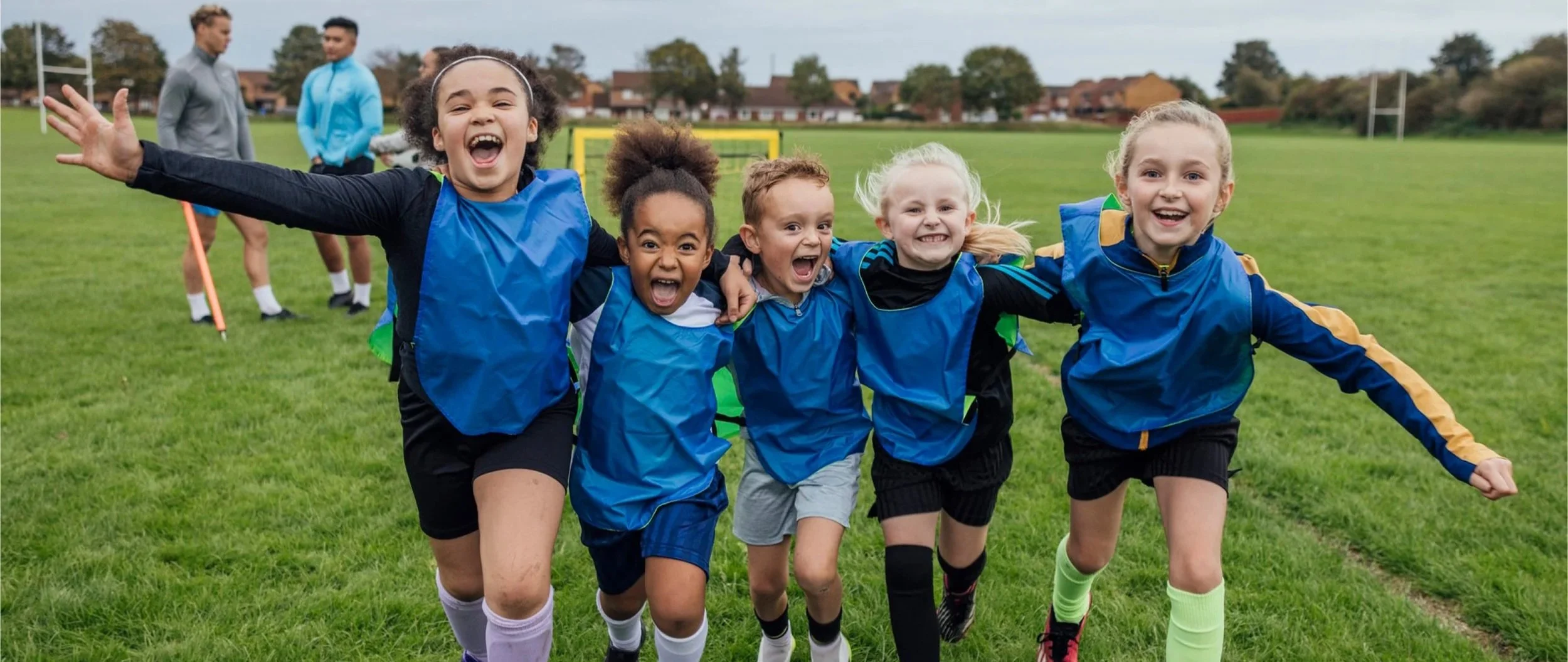
Modern youth athletics employ increasingly sophisticated methods of disguising biological reality. Jerseys. Ponytails. Team photos. By the time the whistle blows, an otherwise reasonable parent may have already been asked to accept that everyone wearing the girls’ jersey is, in fact, a girl.
And what about the roster? In the wrong hands, it is nothing more than a list of unverified claims like “Name” and “Grade”. For decades DJUSD has been asking parents and coaches to accept, without inspection, that everyone listed under girls’ athletics is exactly what the paperwork says they are. No anatomical confirmation. Not even a helpful diagram. Just emergency contacts, team numbers, and blind faith.
And this problem becomes exponentially harder to detect when the student sucks at sports.
It used to be that a boy who finished a race behind six girls was, biologically speaking, seventh-place proof of a little sissy boy who let himself get beat by girls. Once trans kids are involved, it’s hard to tell whether a girl is actually an exceptional athlete or just a trans kid confusing the opposing team of real boys into underperforming.
Which is why athletic performance is such an unreliable way to determine whether correct genders are being properly observed.
For years, schools have encouraged children to think of sports as a place to learn teamwork, get exercise, form friendships, build confidence; it’s the chance to complain about practice, forget your water bottle, and spend afternoons running around a field with friends. These are important childhood experiences, which is precisely why we must be careful about who is allowed to have them and where.
Self-identification cannot be the standard. A child may say she is a girl. Her parents may agree. Her teachers may agree. Her school may agree. Even a physician may agree. But when every person responsible for verifying biological reality has already accepted the child’s version of it, mandatory independent verification becomes essential.
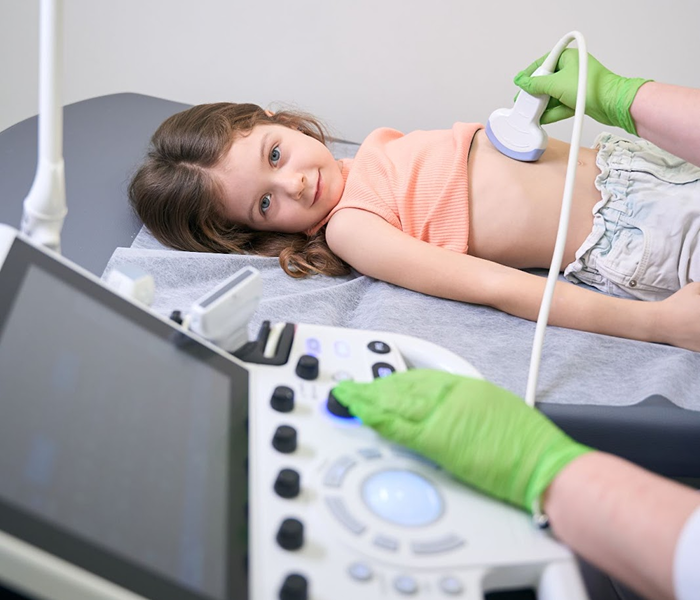
Restoring confidence in competition, one pelvic exam at a time.
Fair competition depends on clear categories. Clear categories require a thorough physical exam.
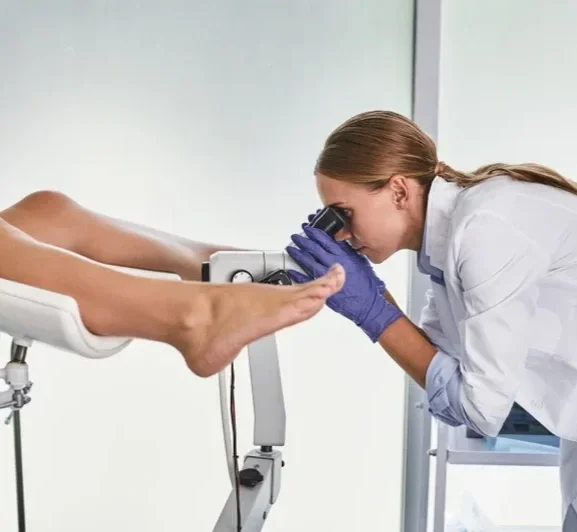
Under the Pregame Pelvic Examination Requirement for Competitive Eligibility policy, participation in all school athletics, K-12, will require a full examination before every practice, game, meet, and match. Relevant coaches, referees, and school administrators will be present so each can verify the findings firsthand. Stirrups. Visual confirmation. Written findings. Photographic documentation where necessary. If we are going to protect girls’ sports, we owe every child the dignity of a complete and careful review.
No age exemptions:
Children should be examined before they have time to develop opinions about their own bodies

There is no reason to postpone biological certainty until puberty. Beginning examinations in kindergarten gives children years to become comfortable with adults evaluating whether their bodies meet expectations.
Private parts, public accountability:
Coaches, referees, and administrators should each get a look for themselves.

One adult can miss something. A group can compare notes. Coaches can observe. Referees can confirm. Administrators can take notes. Physicians can answer questions. Should anyone remain uncertain, the child is already there. It is difficult to imagine a more transparent system.
Prepare girls for the real world:
A child who thinks nothing is wrong with her body may simply not have had enough adults inspect it yet.

A proper eligibility examination prepares girls for more than competition. It introduces them, at an appropriately early age, to the lifelong feminine discipline of understanding that their bodies are never entirely their own business.
A modest proposal for keeping perverts out of school athletics

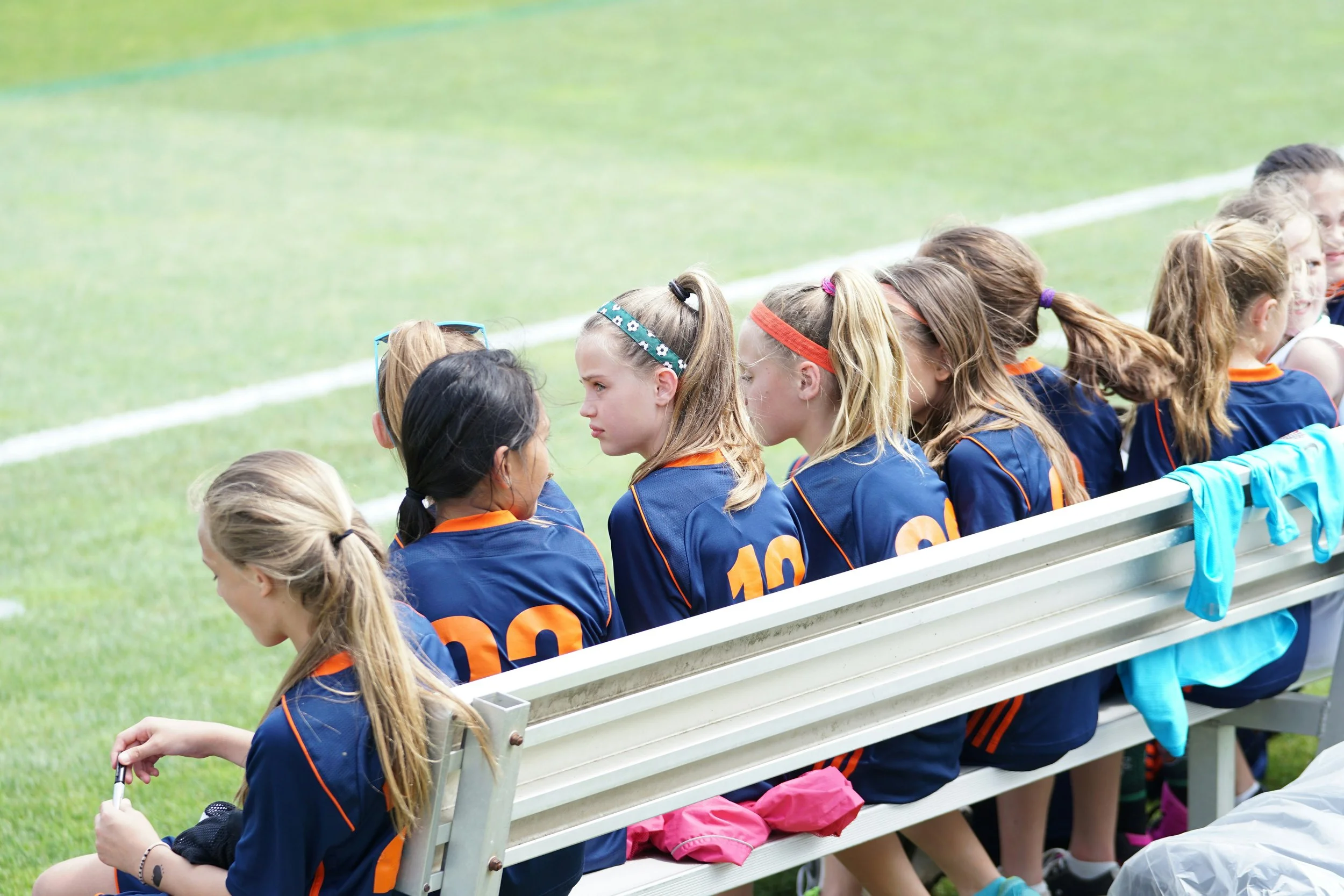


For too long, kids have been surrounded by grown-ups eager to tell them that biology is complicated, identity is personal, and they should be allowed to describe themselves in ways that make them comfortable.
Enough.
If we truly intend to protect children from ideological adults with unhealthy interests in their bodies, we must be prepared to involve more responsible adults, more often, and at a much earlier age.
No child should have to wonder whether a teacher, doctor, librarian, coach, or parent has allowed confusion to take root unchecked. By establishing biological certainty before the first whistle, we can finally remove gender ideology from youth sports and return children to the simple innocence they deserve.
At last, children will be safe from adults who are far too interested in their bodies.